Kontist vs Holvi (2026): which business account for a German freelancer?
Kontist vs Holvi compared for German freelancers and Selbstständige — Kontist for tax-native banking (real-time income-tax and VAT set-aside, DATEV/ELSTER export), Holvi for banking and invoicing in one simple account. Which Geschäftskonto fits, honestly.

Solo operator · one-person venture studio in Europe (SEO · affiliate · micro-SaaS) · 13 July 2026 · updated 13 July 2026 · 2 min read

Two of the most common Geschäftskonto picks for a German freelancer — and they optimise for different things. Kontist wants to do your taxes; Holvi wants to be a calm banking-and-invoicing home. Here’s the honest split for a Freiberufler or Selbstständige.
Kontist — the tax-native account
Kontist
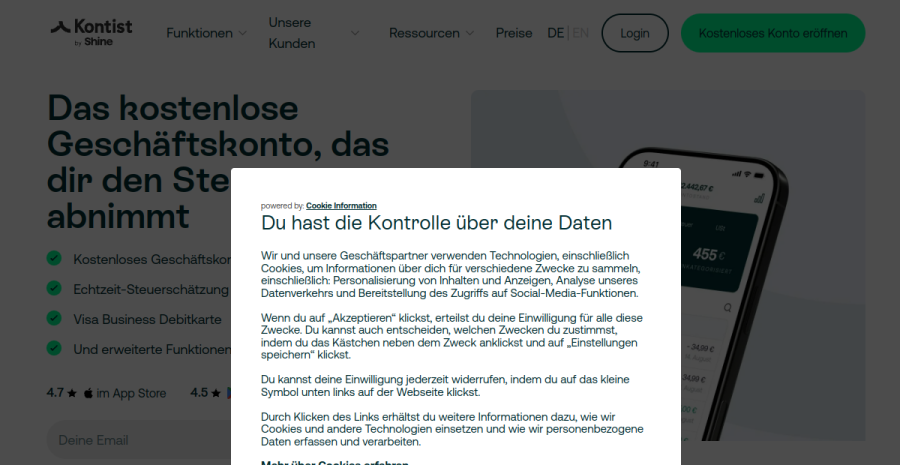
Built around the one thing a Freiberufler keeps getting wrong: Kontist sets aside income tax and VAT automatically on every payment, so the money is already parked when the Umsatzsteuer-Voranmeldung is due. It adds an integrated bookkeeping/tax tier and an ELSTER/DATEV-friendly export. German-first, ideal if you want the account itself to handle the tax discipline.
Holvi — banking and invoicing in one
Holvi
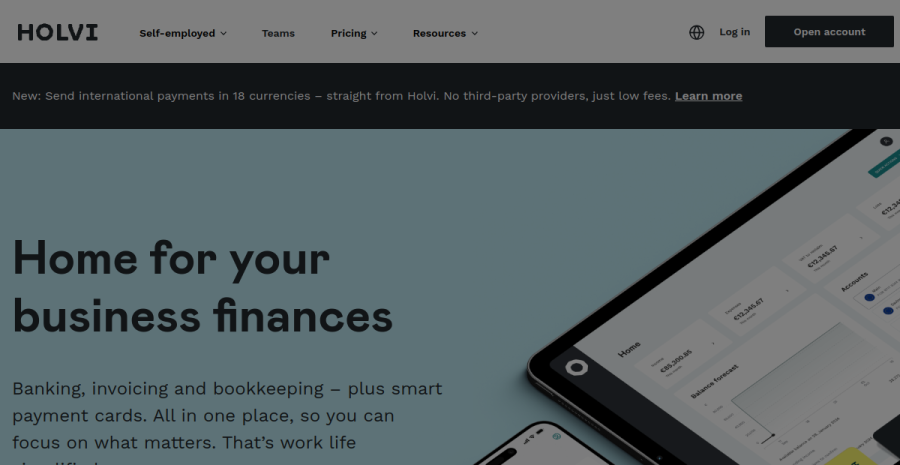
A tidy account that keeps banking and invoicing together, popular with Kleinunternehmer and the self-employed who want a clean Geschäftskonto with light bookkeeping rather than heavy tax automation. Simpler than Kontist on the tax side, calmer if your setup is straightforward.
Pick by what you need
- You want the account to handle income-tax and VAT set-aside → Kontist. The automation is the whole point, and it’s what saves a Freiberufler at Voranmeldung time.
- You’re a Kleinunternehmer or want simple banking + invoicing → Holvi. Less automation, less to manage, one calm place for the money and the invoices.
- You need full English or you bill across the EU/multi-currency → weigh a pan-EU account like Qonto (English, broader business tools) or Wise for cross-border receiving — you trade the German-tax-native features for reach.
Bottom line
If the tax set-aside is the reason you’re switching accounts, Kontist is the pick — it’s the Freiberufler’s tax-native default. If you want a simpler home for banking and invoicing, especially as a Kleinunternehmer, Holvi is the calmer choice. Both are solid German-market accounts; match the one to how you actually do your taxes. The full German field — Kontist, Qonto, Holvi, N26 and FYRST — is in the best business bank account for German freelancers guide.
Frequently asked questions
Kontist vs Holvi — which is better for a German freelancer?
Is Kontist or Holvi better for handling taxes?
Can I use Holvi as a Kleinunternehmer?
Do Kontist and Holvi support English?
Keep reading

Best business bank account for German freelancers (2026)
Which business bank account a German freelancer (Freiberufler) should open for a Geschäftskonto — Kontist, Qonto, Holvi, N26 and FYRST compared on tax/VAT set-aside, ELSTER/DATEV export and English-support, for German freelancers who want clean books.
Paysera vs Revolut Business for freelancers (2026)
Paysera vs Revolut Business for an EU freelancer — a low-cost, no-frills EU EMI with cheap SEPA and multi-currency versus a feature-rich business account with cards, spend controls and integrations. Fees, what each suits, and where Wise still beats both. Honest and EU-aware.
Qonto vs Wise (2026): which does an EU freelancer actually need?
Qonto vs Wise compared for EU freelancers and solopreneurs — Wise for cheap multi-currency receiving and real mid-market FX, Qonto for a full EU business account with invoicing, expense cards and accounting export. The honest difference, and why many solos run both.
Everything here is free. If something saved you time, you can support the author — no product, no signup.