Brevo review (2026): the email tool I actually run across my projects
An honest, first-hand Brevo review for solopreneurs — why I use it across multiple projects, the pay-by-emails-sent model, EU data residency, where deliverability genuinely wins, and the real catch with its automation and send limits.

Solo operator · one-person venture studio in Europe (SEO · affiliate · micro-SaaS) · 24 June 2026 · updated 24 June 2026 · 4 min read

Most “best email tool” advice is written by people comparing feature lists. This one is written from actually running Brevo across several of my own projects — which is a different and more useful test. Brevo isn’t the prettiest tool in the category, and I didn’t expect to like it. I do, for reasons that only show up once it’s carrying real mail for a real business. Here’s the honest version.
Affiliate disclosure: the Brevo links below are affiliate links. The take is based on running it across my own projects, not the commission.
Brevo (formerly Sendinblue)
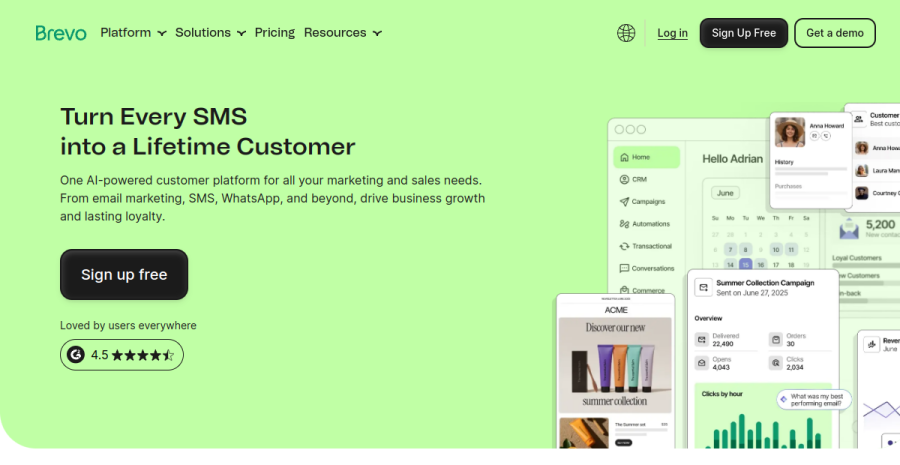
A French company with EU data residency that prices by emails sent, not contacts stored, and bundles email, SMS and transactional sending in one platform. Strong on value and deliverability, plainer on automation and creator features.
What it’s actually like to run
Brevo looked complicated and unintuitive when I first opened it — and then, in practice, it just worked. The thing that converted me wasn’t a feature; it was that it quietly does the unglamorous job of getting mail delivered across everything I run, without me babysitting it.
The pieces that matter day to day:
- The free tier goes a long way. 300 emails a day, with no limit on stored contacts. In my own use that has been enough to cover several projects at once — client communication, scheduled sends, promos and notifications — before paying anything. When you do outgrow it, the entry paid tier is cheap, and bumping the plan up as volume grows is painless.
- Pay by emails sent, not subscribers. This is the real budget lever. A business storing a big list but emailing it occasionally fits comfortably where a subscriber-priced tool would already be charging. The maths only breaks if you email a large list daily.
- Email, SMS and transactional in one place. Genuinely handy if you run a local-service or e-commerce solo — and it means client mail, planned campaigns, promos, support replies and system notifications all live in one tool.
The deliverability case (the real reason I use it)
The honest reason Brevo earns its place isn’t its UI — it’s deliverability. The single biggest mistake a solo can make with email is sending from their own server: self-hosted sending lands in spam far too easily, and once your sending reputation is hurt it’s painful to recover. Routing everything through a dedicated provider that maintains authentication, infrastructure and sending reputation is what gets mail into the inbox instead of the spam folder.
That’s not unique to Brevo — any reputable provider beats a DIY mail server — but Brevo delivers it at a price a solo can justify across multiple projects, which is exactly the situation most one-person operators are in. For me, “client communication and scheduled campaigns actually arrive” is worth more than a slicker automation builder.
On shared IPs Brevo’s deliverability is good rather than exceptional. If you send serious volume, a dedicated IP improves it further — but even on the shared tier it’s a large step up from self-hosting.
Where it falls short
I’m not going to oversell it. The honest cons:
- Plainer automation and templates. The builder lags behind Kit and MailerLite. It works, but it feels like an operations tool, not a growth tool.
- No creator-monetisation features. If your model is paid newsletters or sophisticated creator funnels, a tool like Kit fits better.
- The send-based model can surprise you. Email a large list every day and you’ll burn an allowance faster than a subscriber-priced plan — size the tier against your real daily peak, not your average.
Who Brevo is for
- A budget-conscious EU solo who wants reliable, affordable sending across one or several projects.
- A large-but-quiet list — many contacts, infrequent sends — where pay-by-emails-sent wins.
- Anyone currently self-hosting email, who’ll feel the deliverability jump immediately.
- Less ideal for creator-funnel power users who’ll miss Kit/MailerLite’s automation and monetisation.
It pairs naturally with the rest of the email tool roundup and with actually building the list once your sending is reliable.
Verdict
For what most solos actually need from email — it gets delivered, it’s affordable, and it covers more than one project — Brevo is the practical winner, and the tool I run myself. You give up some automation polish and creator features for it. If those are your priority, look at Kit; if reliable, budget sending is, start here.
[unknown partner: brevo]Frequently asked questions
Is Brevo good for solopreneurs?
Is the Brevo free plan enough to start?
Does Brevo have good deliverability?
What is Brevo not good at?
Keep reading
The best email marketing tool for a one-person business (2026): Kit vs MailerLite vs Brevo
Which email marketing tool a solopreneur should actually pay for, and the one thing that decides your bill: whether you are charged per subscriber or per email sent. Kit vs MailerLite vs Brevo for a one-person business — a creator-first tool, a value all-rounder and an all-in-one with a generous free send, compared on pricing model, free tier and the solo use case. EU-first and honest.
Stripe review (2026): the payment stack I run for SaaS and one-off sales
A first-hand Stripe review for solopreneurs — running subscriptions and one-off client charges, weekly payouts, flexible coupons, easy verification, and the real gotchas (you own EU VAT, and webhooks across multiple projects can cross wires).
Systeme.io review (2026): the best free all-in-one for a solo launch?
An honest Systeme.io review for solopreneurs — what the free plan really includes, who it fits, where it falls short versus dedicated tools, pricing, and the EU VAT caveat. Funnels, email and courses in one login.
Everything here is free. If something saved you time, you can support the author — no product, no signup.