Selling digital products & templates (2026): the honest passive-income reality
Logos, fonts, templates, presets, stock — sell once, license forever. The commission rates by platform, why AI and Canva killed the low end, and what actually still earns.

Solo operator · one-person venture studio in Europe (SEO · affiliate · micro-SaaS) · 19 June 2026 · 2 min read
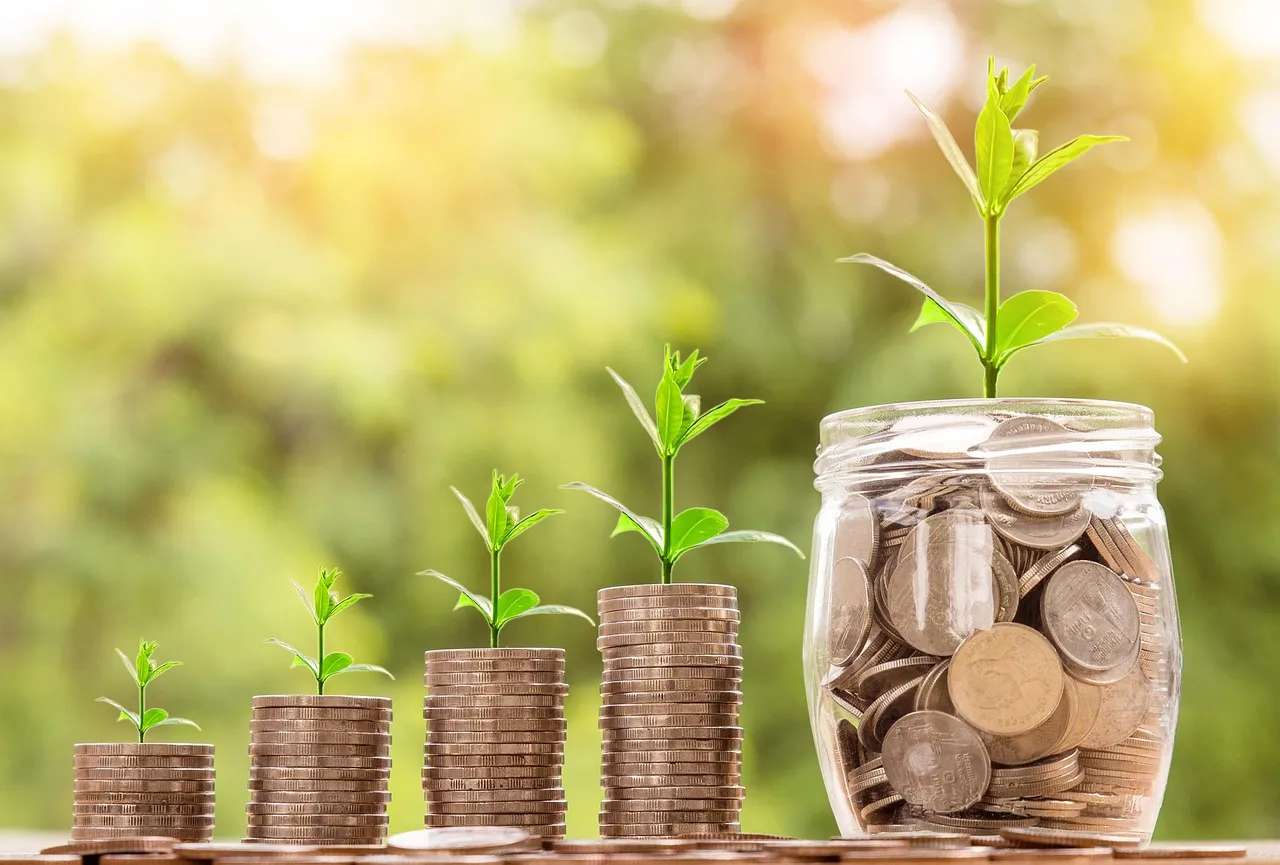
Make it once, license it forever — selling digital assets (logos, fonts, templates, UI kits, presets, stock) is the dream of “passive” income. Here’s the honest version: how the platforms pay, what AI changed, and what actually still earns.
How it pays — and the commission spread
You earn a cut of each license. The spread is wide:
| Platform | You keep |
|---|---|
| Gumroad (own links) | ~90% |
| Etsy (digital) | ~90% (before mandatory offsite-ad fees) |
| Creative Market | ~30–50% |
| Adobe Stock | ~33% |
| Envato Elements | pool split (by download share) |
Selling on your own store (Gumroad/Lemon Squeezy) keeps the most and handles VAT as merchant of record; big marketplaces take more but provide discovery.
The honest reality
“Passive income while you sleep” needs a large, strong catalogue and ongoing marketing/SEO. A single asset rarely earns; sellers who reach a few thousand a month typically have 100+ quality listings plus real discovery, built over 6–12 months. The model is legitimate — just not effortless, and not at the generic end.
How to do it solo
Pick a niche where you can out-quality the flood (a specific industry’s templates, a distinctive font family, a real workflow system), build a focused catalogue, and drive discovery via SEO + an email list so you’re not at the mercy of one marketplace’s algorithm. Take payments cleanly via a merchant of record so EU VAT is handled. If your craft is design, the design tools roundup covers the make side.
Where this sits among the one-person models is in how solopreneurs make money; start your path in for indie makers.
Part of the complete guide to building a one-person business.
Frequently asked questions
Can you really make passive income selling digital products?
What commission do digital-product marketplaces take?
Did AI and Canva kill the digital-asset business?
Keep reading
Passive income ideas for solopreneurs (2026): the honest version
The real leverage-based income ideas for one person — digital products, content and affiliate, micro-SaaS, investing and licensing — with the honest truth about how much upfront work and maintenance each takes, and why "passive" is mostly a myth at the start.
How solopreneurs actually make money: every one-person income model (2026)
A clear, honest map of the real ways one person makes money — apps, YouTube/TikTok/Telegram, ad sites, flipping, courses, digital-asset marketplaces, newsletters, services — with how each pays, realistic earnings, and the EU VAT angle.
From freelancer to solopreneur: how to stop trading time for money (2026)
A freelancer sells hours to clients; a solopreneur builds something that earns without the next hour. The difference is not a title but a set of decisions — about offers, pricing, assets and admin — and most people make the switch gradually. The honest map of the transition, the order that works, and what stays the same.
Everything here is free. If something saved you time, you can support the author — no product, no signup.