How to write a freelance contract in the EU (2026): the no-lawyer guide
A plain guide to writing a freelance contract as a self-employed solo in the EU — what every contract must include, the EU-specific clauses (late payment, IP, false self-employment), e-signatures, and how to do it without a lawyer.

Solo operator · one-person venture studio in Europe (SEO · affiliate · micro-SaaS) · 20 June 2026 · 5 min read
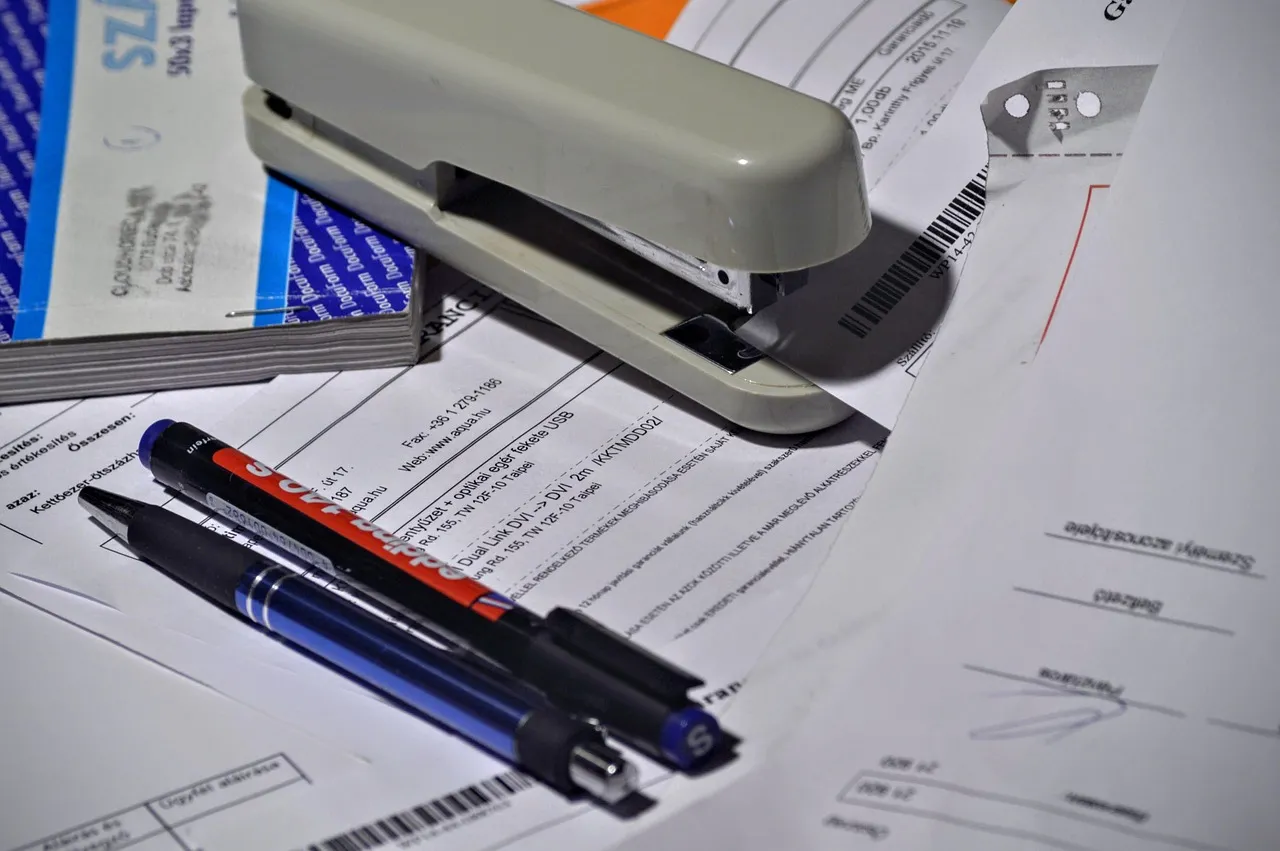
The contract is the cheapest insurance a freelancer can buy, and the one most skip until a client burns them. As a team of one you have no legal department and no leverage except what you write down before the work starts — so the contract is what stands between you and an unpaid invoice, a project that triples in size for the same fee, or a client who claims they own work you never handed over. Here’s how to write one as a self-employed solo in the EU, without a lawyer for routine jobs and with the EU-specific clauses that actually protect you.
Not legal advice. Contract law and enforcement vary by country — for high-value or unusual work, have a lawyer review it.
Why a contract, really
A freelance contract does three jobs: it secures payment (clear terms + late-payment rights), it fences the scope (so “one more small thing” has a price), and it settles ownership (who owns the work, and when). Skip it and every one of those becomes the client’s word against yours — and you have the least leverage.
What every freelance contract must include
You don’t need ten pages. You need these, clearly stated:
- The parties — your business and the client, with details.
- Scope & deliverables — exactly what you’ll produce. Specificity here kills scope creep later.
- Price, payment terms & schedule — the fee, a deposit for larger work, milestones, and a due date.
- Timeline / milestones — what’s delivered when, and what depends on client input.
- Revisions limit — e.g. “two rounds included; further rounds billed at €X”.
- Intellectual property — ownership transfers to the client on full payment (not before).
- Confidentiality — a simple NDA clause if you’ll see sensitive information.
- Termination & kill fee — what happens if either side walks away, and what you’re owed.
- Liability cap — limit your exposure to (commonly) the value of the contract.
- Governing law & jurisdiction — which country’s law applies, vital for cross-border clients.
The EU-specific clauses that matter
This is where a generic US template leaves a European solo exposed:
The late-payment side connects directly to how to invoice and get paid on time; the independence side is a growing enforcement area across the EU, so your working practices must match the contract, not just the wording.
How to do it without a lawyer
For routine work, you don’t draft from a blank page:
- Start from a vetted template — freelance-admin and e-signature tools include them; adapt per client.
- Fill the essentials above — scope, price, payment terms, IP, termination.
- Add the three EU clauses — late payment, independence, GDPR if relevant.
- Sign electronically — under eIDAS, e-signatures are legally valid across the EU; a reputable tool’s audit trail is more enforceable than a scanned signature.
- Keep a copy — store the signed version with your records.
When to call a lawyer: high-value, high-liability, unusual, or long-term engagements. Templates for routine work; a professional for the few contracts where being wrong is expensive.
The tools that template and sign it
You can run all of this from one app:
- All-in-one freelancer admin (contracts + proposals + invoicing): Bonsai.
- EU-based, eIDAS e-signatures (best for European clients and GDPR data residency): Contractbook.
- Polished proposals / the e-signature standard: PandaDoc, DocuSign.
The full comparison — who each is really for — is in the best contract & proposal software for freelancers.
The takeaway
- Always use a written contract — it’s your only leverage as a solo.
- Cover the essentials: scope, payment, revisions, IP-on-payment, termination, liability, governing law.
- Add the EU clauses: late-payment rights, genuine independence, GDPR.
- Template + eIDAS e-signature for routine work; a lawyer for the expensive-to-get-wrong ones.
Get the contract right and most “difficult client” stories never happen. Start with the contract tools, make sure you’ve got the clauses every freelancer needs — and see how those clauses play out in practice against scope creep, the way most projects actually go wrong.
Want the contract done, not described? The freelance contract generator is free to use now (scope, fees, IP-on-payment → PDF); the EU Clean-Start Kit bundles the editable contract, EU-VAT invoice and income-tracker templates plus country setup I run across my own ~30-project EU portfolio — ready-to-edit compliant documents, not a prompt you have to fix and second-guess.
Part of the complete EU admin guide for solopreneurs.
Frequently asked questions
Do freelancers need a written contract?
What should a freelance contract include?
Are electronic signatures legally binding in the EU?
What is false self-employment, and how do I avoid it in my contract?
Can I use a freelance contract template?
Keep reading
9 contract clauses every freelancer needs (and what each one protects)
The essential freelance contract clauses for the self-employed in the EU — from scope and payment terms to IP transfer, kill fees and late-payment rights — and exactly what each one protects you from.
How to register as a freelancer / self-employed in Switzerland (2026)
The structural guide to going self-employed in Switzerland — setting up an Einzelfirma (sole proprietorship / raison individuelle), getting your self-employed status recognised by the cantonal AHV/AVS compensation office, when the commercial register becomes mandatory, Swiss VAT (MWST/TVA) registration, cantonal and federal income tax, and keeping records.
Do I need to register a business to freelance in the EU? (2026)
Short answer for most EU countries: if you freelance regularly for income, yes — you must register as self-employed and declare it, often from the first euro. Here is what registering means, when it applies, and the risk of skipping it.
Everything here is free. If something saved you time, you can support the author — no product, no signup.